
Add Row
Add Element
Missouri Home Hub
update

Missouri Home Hub

update
Add Element
  • Home
  • Categories
    • Market Trends
    • Renovation Tips
    • Buyer Guides
    • Local Insights
    • DIY Projects
    • Investment Advice
    • Community Stories
March 20.2025
3 Minutes Read

Unlocking the Secrets: How to Sell Your House Fast and for More Money

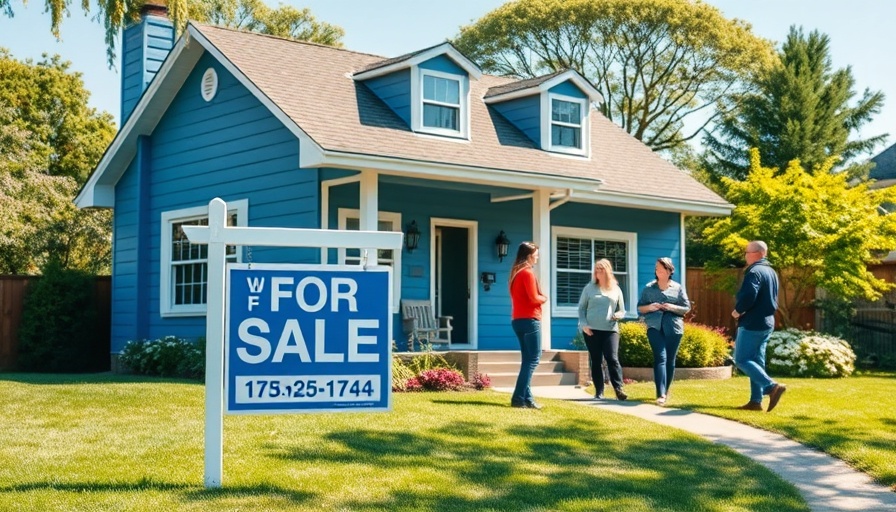
Blue suburban house with 'For Sale' sign and potential buyers in yard.

Understanding the Buyer’s Market: A Changing Landscape

The current U.S. housing market has swung from a seller’s boon to a more nuanced buyer’s market. This transition means that for homeowners looking to sell, traditional strategies must adapt to new realities. As more listings flood the market, buyers now enjoy greater choices, making it crucial for sellers to devise innovative approaches to capture attention and maximize their sale prices.

Top Strategies to Sell Your Home Quickly and Profitably

To effectively navigate this evolving market, consider integrating these twelve strategies gathered from industry experts:

  1. List on the MLS: Utilize a Multiple Listing Service to enhance your home’s visibility. Listings on MLS have shown to attract significantly more interest than pocket listings—oftentimes fetching an average of $53,000 more.
  2. Hire an Experienced Agent: A local agent brings market expertise and can effectively negotiate favorable terms while ensuring your home is priced competitively.
  3. Price it Right: In a buyer’s market, competitive pricing is essential. Employ strategies like comparative market analysis to find the sweet spot that attracts buyers without undervaluing your property.
  4. Enhance Curb Appeal: First impressions count. Simple improvements such as fresh landscaping and an appealing front entry can significantly impact buyer interest.
  5. Stage Your Home: Stage your home to reflect its full potential, allowing buyers to visualize living there. Staged homes often sell for nearly 7% more than their non-staged counterparts.
  6. Flexibility with Showings: Buyers appreciate flexibility. Offer a range of viewing times including weekends, and keep the home in pristine condition for last-minute visits.
  7. Offer Incentives: Sweetening the deal with incentives can make your listing stand out. Consider covering escrow costs, including appliances, or offering financing options to entice buyers.
  8. Utilize Smart Marketing: Effective marketing is crucial. High-quality photographs, virtual tours, and a strong online presence can amplify your home’s reach and attractiveness.
  9. Declutter and Depersonalize: Ensure your space appeals to a wide audience by removing personal items. A clean and neutral palette allows buyers to envision their life in the home.
  10. Pre-inspect and Repair: Conducting a pre-inspection and addressing necessary repairs enhances buyer confidence in the property’s condition.
  11. Stay Proactive: Continuous monitoring of market trends and buyer feedback can help you adjust strategies to ensure a successful sale.
  12. Focus on In-Demand Features: If your home boasts energy efficiency, smart tech, or other high-demand features, make sure they are highlighted in your listing.

The Importance of Mindset in Selling

As sellers, maintaining a proactive and positive mindset is essential during a buyer’s market. While challenges undoubtedly exist—such as increased competition and potentially prolonged sale times—staying informed and adaptable will greatly enhance your chances of success. Engaging with a knowledgeable agent who utilizes comprehensive market analysis and offers strategic insights is invaluable.

Seizing Your Opportunity in a Buyer’s Market

Ultimately, adapting to the dynamics of a buyer’s market also opens doors for motivated sellers to capitalize on established housing trends. By combining the strategies listed above—with patience, market knowledge, and a touch of creativity—you can set the stage for a successful transaction that honors both your timeline and financial goals. It's time to put these tactics to work and sell your home quickly and for the best possible price!

Ready to Take Action?

Do you feel prepared to implement these strategies in your home-selling process? Consider reaching out to a qualified real estate agent today and begin your journey toward a successful sale!

Buyer Guides

8 Views

0 Comments

Write A Comment

*
*
Related Posts All Posts

Unlocking the Mystery: What Does 'Move-In Ready' Mean for Buyers?

Update Understanding the Term 'Move-In Ready' in Today's Real Estate MarketWhen browsing through countless home listings or at property showings, you might often come across the term "move-in ready." It's essential for aspiring homebuyers to understand precisely what this phrase entails. At its core, a move-in ready home is not only visually appealing but also functional and safe, allowing you to settle in without needing immediate major repairs or renovations.What to Expect in a Move-In Ready HomeA move-in ready home typically features operational systems such as plumbing, electrical wiring, and HVAC that are functional from day one. It should also include clean bathrooms, working kitchen appliances, and secure windows and doors. Many buyers mistakenly believe that "move-in ready" translates to new and modern finishes; however, it can also include older fixtures or dated decor, as long as everything operates correctly and is safe.The Importance of Confident Decision-MakingUnderstanding the true meaning of "move-in ready" is crucial for every buyer, especially for first-time homeowners or those relocating for work. Properties that are marketed as move-in ready help simplify transitions by eliminating the stress of immediate repairs or renovations. They usually offer identical practical benefits like predictability in budgeting for post-closing costs, ultimately reducing unexpected expenses associated with homeownership.How to Ensure a Home is Truly Move-In ReadyGiven that the term can be ambiguous, it’s prudent to verify a home's condition through direct inquiries and professional inspections. Some crucial questions to ask while touring a home include: What recent updates have been made? What is the age of the roof and HVAC system? Are all the major appliances included and functioning? Home inspections are vital, even for properties labeled as move-in ready, since even newly remodeled homes can harbor hidden issues.Considerations When Buying Move-In Ready vs. Fixer-UpperEvery homebuyer must weigh the pros and cons of move-in ready homes versus fixer-uppers. For buyers short on time, a move-in ready home allows for immediate occupancy, with minimal hassle. Conversely, fixer-uppers may offer significant cost savings and the opportunity for personal design touch but come with the challenges of living amid renovations. Thus, deciding on what's best heavily depends on individual preferences, budget considerations, and timelines.Common Misconceptions About 'Move-In Ready'Many buyers believe a move-in ready home must be newly constructed or impeccably modernized. Still, this is a misconception. A genuinely move-in ready home can exhibit older styles, provided it is safe, clean, and ready for occupancy. Understanding this distinction can help set realistic expectations and help buyers navigate the complexities of the real estate market.Time to Make Informed DecisionsAs you embark on your home-buying journey, knowing the ins and outs of what constitutes a "move-in ready" home can streamline your process. If you’re in the market, take the time to evaluate listings and ask the right questions before making a decision. Are you ready to find your move-in ready home? Delve into the listings and start your journey to homeownership now!

Navigating Recovery From Washington State Floods: Essential Resources and Insights

Update Understanding the Immediate Impacts of Washington State Floods The recent floods in Washington have proved devastating, especially in key areas such as Skagit, Whatcom, Snohomish, and King counties. The rising rivers, coupled with relentless downpours, have disrupted communities, prompting evacuations and leading to extensive property damage. This situation is not simply a momentary crisis; it can lead to longer-term challenges for families and neighborhoods as they navigate recovery and rebuilding. Safety Tips for Residents Affected by Flooding Even as the storms pass, floodwaters remain perilous. Residents must stay vigilant and heed guidance from local authorities. The National Weather Service (NWS) offers crucial real-time updates, helping residents interpret flood alerts and recognize ongoing risks. Understanding how to gauge flood safety—from recognizing hazardous conditions to knowing when it's safe to return home—can save lives. Resources for Immediate Assistance Individuals who are displaced or need urgent help can reach out to organizations like the American Red Cross. They are actively providing emergency shelters, meals, and essential supplies to those affected by the floods. Residents can access various local community resources tailored to their specific counties, ranging from food pantries to disaster assistance programs. For instance, Community Action of Skagit County is mobilizing support by offering flood protection resources and utility assistance, while Whatcom County's emergency management offers evacuation guidance and updates. State and Federal Support Systems The road to recovery often requires a multi-faceted approach, combining local efforts with state and federal assistance. Once a disaster declaration is made, residents may qualify for federal funds through programs such as FEMA, which can cover temporary housing and aid in home repairs. Understanding these channels can provide a safety net for families looking to rebuild. The Long-Term Recovery Outlook As Washington assesses the full impact of the floods, the community's resilience will take center stage. Recovery is more than replacing structures; it’s about restoring lives and renewing spirits. Community support initiatives will become vital in these rebuilding phases, with collaborative efforts across organizations fostering hope and strength. A Call for Community Support and Awareness During these challenging times, solidarity among residents is essential. By paying attention to needs within your neighborhood and participating in community efforts aimed at recovery, you can make a significant difference. Communities thrive when we come together, and this spirit will pave the way for healing after disasters.

Unlocking What Sells a Home: Strategies for a Quick Sale

Update Understanding What Sells a Home: Key Factors to Consider As you prepare to sell your home, the essential question you must address is: "What truly makes my listing stand out among others?" The answer hinges on five pivotal factors: price, condition, location, marketing, and the emotional connection a buyer feels. To ensure a successful sale, you must master the art of combining these elements to create a compelling offer that resonates with potential buyers. Price: The Cornerstone of Your Selling Strategy Choosing the correct price for your home is perhaps the most critical step in the selling process. Overpricing is a common pitfall that can scare off interested buyers and prolong your home's time on the market. Data-driven pricing is imperative; consult with your real estate agent to review the recent sales of comparable properties, ensuring your listing reflects current market trends. An accurately priced home not only attracts more traffic but can also instigate a bidding war, ultimately leading to a better sale price. Creating the Buyer Experience: Importance of Presentation First impressions are lasting, especially in real estate. Potential buyers typically decide within minutes whether they want to make an offer. Consequently, staging your home effectively is crucial. This means decluttering, depersonalizing, and enhancing curb appeal. A clean and neutral environment allows buyers to envision their own lives in your space. Furthermore, attendees often scrutinize pivotal areas like the kitchen and bathrooms; therefore, make these spaces shine with minor updates like fresh paint or new fixtures. Location: Market What You Can't Change While you can't alter the location of your home, how you market it matters significantly. Clearly articulate the unique benefits of your neighborhood in your listing. Highlight proximity to reputable schools, parks, and important commuter access points. Additionally, using vivid, descriptive language in your listing can appeal to buyers' imaginations. Invest in high-quality photography to showcase your home positively—remember, a picture is worth a thousand words, especially in the competitive housing market. Condition Matters: Ensuring Buyer Confidence Buyers are looking for assurance that they’re making a sound investment. Address any minor repairs before listing your home. Issues like leaky faucets or squeaky doors can dissuade buyers and create doubt regarding the property's overall condition. A proactive approach to maintenance will demonstrate that the house has been well-cared-for and can lead to a smoother negotiation process. Understanding Emotional Connections in Real Estate Finally, understand that beyond the tangible aspects, the emotional connection buyers feel towards your home can heavily influence their decision. The goal is to evoke the desire to imagine their future in that space. Engaging storytelling through your listing, showcasing family-friendly features, or detailing warm memories can create a deeper connection. This emotional appeal can be the tipping point that brings a buyer to the table willing to make an offer.

Terms of Service

Privacy Policy

Core Modal Title

Sorry, no results found

You Might Find These Articles Interesting

T
Please Check Your Email
We Will Be Following Up Shortly
*
*
*