


The Current Landscape of Reverse Mortgages: A Steady Yet Challenging Terrain
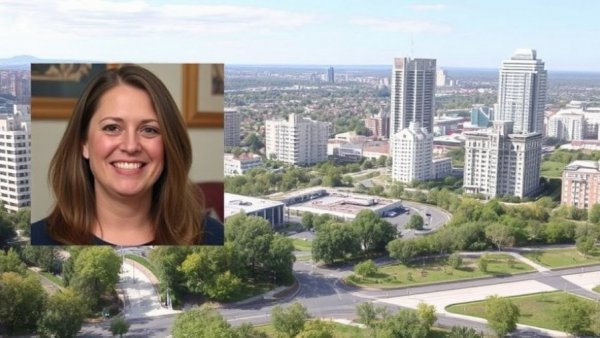
As the housing market contends with higher interest rates and slow sales, the reverse mortgage sector is experiencing its own unique set of challenges. Angel Booth, Vice President of Operations and National Sales Manager at Premier Reverse Closings (PRC), highlights that while overall reverse mortgage volume has slowed down, the company is still adeptly managing complex closings in this challenging environment.
With nearly 25 years of experience in reverse mortgages, Booth emphasizes the steady flow in processing difficult files, which may include items like mismatches in servicing records or complications arising from borrower's changes to deeds or title. Though the home equity conversion mortgage (HECM) business is softer than in previous years, Booth reassures that the operation remains vigilant and proactive, particularly in ensuring that all transactions run smoothly.
Navigating Risks in Reverse Mortgage Operations
One significant issue that has come to the forefront, according to Booth, is the mismatch between reverse mortgage servicing records and title documents—a situation that can create complications during the loan process. Many borrowers may inadvertently make changes to their title without consulting their servicer, leading to potential pitfalls down the line.
As noted in the recent report by Benutech, the key to avoiding such issues lies in proactive communication and collaboration with trusted business partners. In a market where the reverse mortgage might be the last loan on a property, it becomes essential for all parties involved to stay informed and engaged throughout the lending process. Booth advocates for educating borrowers on the importance of maintaining consistency in their real estate titles.
Training the Next Generation: A Crucial Step for Industry Resilience
Another critical dimension Booth touches upon is the urgent need to cultivate the next generation of title and settlement professionals. Without comprehensive training, future experts may not possess the necessary skills to navigate the increasingly complex landscape of reverse mortgages.
Booth believes that fostering a workforce well-versed in both legal and operational nuances could mean fewer errors and smoother transactions. As the industry evolves, it is vital that educational initiatives keep pace, ensuring that emerging professionals are equipped with the right tools and knowledge.
A Look Ahead: Opportunities Beyond the Obstacles
The challenges facing the reverse mortgage market are significant, but they are counterbalanced by emerging opportunities, particularly in proprietary products that are gaining traction as borrowers seek alternatives to traditional loans. With shifts in the real estate environment, Booth indicates a potential shift in demand—one that could ultimately improve the stability of reverse mortgage operations.
Ultimately, navigating the complexities of reverse mortgages requires not just technical expertise but also an understanding of the human dynamics at play. The emphasis on maintaining open channels of communication, educating borrowers, and preparing the upcoming workforce will undoubtedly play a pivotal role in shaping the future of this sector. As Booth perfectly encapsulates, "experience is the best teacher," and it is through a collective commitment to learning that the industry can hope to thrive.





Write A Comment