


Exploring America’s Brightest Spots: Why Sunshine Matters
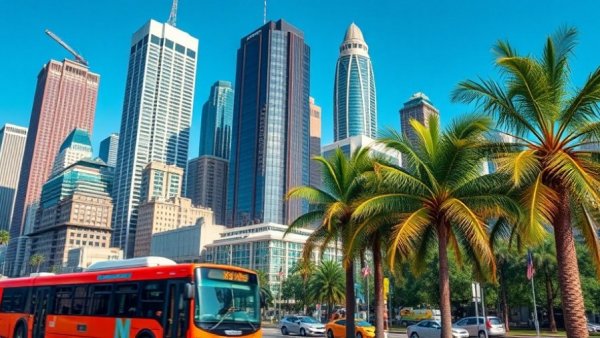
As the sun rises over various regions of the United States, it highlights the unique allure of the sunniest cities, where cloudless skies reign supreme for most of the year. Places like El Centro, Yuma, and Lake Havasu City clock in with nearly 300 days of sunshine annually, making them optimal destinations for those in search of warmth and light.
The Appeal of Sunny Cities: Beyond Just Weather
In a post-pandemic world, many Americans are not just flocking to these sun-drenched locales to soak in the rays; they’re also seeking affordable housing options and a change of lifestyle. The Sun Belt, which covers the southern third of the U.S., has seen an influx of remote workers and homebuyers looking for a location that embraces outdoor living year-round. As real estate reports show continued growth in these sunny cities, it’s clear that climate impacts personal choices and regional economies alike.
Major Risk Factors: Balancing Sunshine with Climate Reality
However, while sun-filled days can be enticing, it’s crucial to acknowledge the potential climate risks that accompany such sunny climes. Increasing temperatures and the effects of climate change have raised concerns about sustainability and living conditions in regions like Arizona and Texas. Communities in these areas must consider how to balance the appeal of sunny weather with the realities of rising heat and sporadic drought conditions.
Crucial Cities to Consider for Sunshine Seekers
So, what do the numbers say? Each of the top sunniest cities boasts impressive statistics:
- El Centro, CA: 289 sunny days, 88% sunshine potential
- Yuma, AZ: 288 sunny days, 89% sunshine potential
- Lake Havasu City, AZ: 272 sunny days, 88% sunshine potential
These metrics serve as key indicators for anyone considering a move to a sunnier city—ensuring that the lifestyle matches the sunny appeal. It’s essential to weigh personal preferences against environmental factors and available amenities in these locales.
Understanding Climates: What Drives the Sunshine?
The reason these cities garner so much sunlight boils down to two geographical facts: their location in subtropical high-pressure zones and their positioning behind mountain ranges that shelter them from moisture and cloud formations. This creates ideal conditions for almost year-round sunshine.
One city that stands out globally is Yuma, often heralded as the sunniest city on earth. It boasts over 4,000 hours of direct sunlight each year, surpassing well-known desert cities in both Egypt and Namibia. These conditions have allowed Yuma to flourish not only as a residential haven but also as an agricultural powerhouse.
Making the Move: Finding Your Sunny Sanctuary
If you find yourself dreaming of relocating to one of these warm retreats, now is the time to take action. There’s a wealth of information available about the housing options and lifestyles found in these sun-drenched regions, guiding you on the journey to finding your perfect home.
Ready to embrace the sun? Begin your search for your ideal home today and immerse yourself in the warmth and vibrancy of America's sun-filled cities.




Write A Comment