
Add Row
Add Element
Missouri Home Hub
update

Missouri Home Hub

update
Add Element
  • Home
  • Categories
    • Market Trends
    • Renovation Tips
    • Buyer Guides
    • Local Insights
    • DIY Projects
    • Investment Advice
    • Community Stories
May 23.2025
3 Minutes Read

The Grim Sleeper's Home Sparks Legal Battle Over Buyer Disclosure

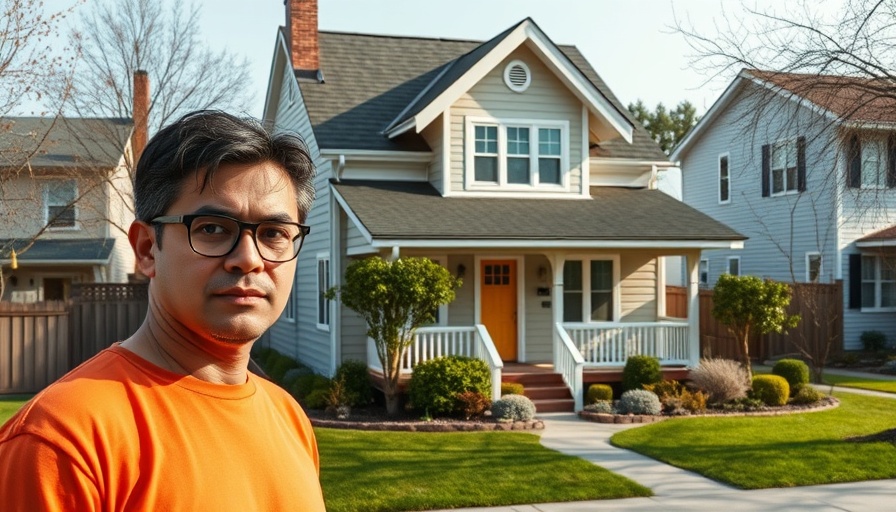
Suburban home with person in foreground, The Grim Sleeper connection.

The Dark Legacy of a Home: Lawsuit Over The Grim Sleeper's Abode

In a bizarre twist that feels more like a script than reality, the former residence of notorious serial killer Lonnie David Franklin Jr., infamously known as "The Grim Sleeper," has become the focal point of a legal battle. The house, a seemingly typical three-bedroom, two-bathroom home located in Los Angeles, now sits at the center of a lawsuit filed by its most recent owner, Suyeon Park.

What Sparked the Lawsuit?

Suyeon Park purchased the property for approximately $755,000 in February 2025, unaware of its chilling history. Franklin was convicted in 2016 for the murder of nine women and a teenage girl, with investigators believing his victim count could reach much higher. Following his death in prison in 2020, Park's lawsuit alleges that the sellers, agents, and brokerage firms involved in the transaction wrongfully withheld crucial information regarding the home's dark past.

The Harrowing Details of the Purchase

Park's complaint, filed in the Los Angeles Superior Court, accuses the defendants of “sheer laziness” and negligence, claiming they prioritized their profit over ethical transparency. The suit argues that the defendants were aware of the home's previous owner and deliberately chose to keep this significant detail from Park, knowing it would impact her decision to buy. It states, “Defendants knew that Plaintiff was not aware of this. But either negligently, purposely, knowingly and/or intentionally failed to disclose this information.”

Real Estate and Ethical Dilemmas

This case raises pressing questions in the real estate world about disclosure ethics. Buyers often rely on agents and brokerages to provide full transparency regarding properties they consider purchasing. The implications of non-disclosure can have far-reaching effects on property values and buyer sentiments.

The Impact on Community Perception

Living in a home previously owned by a murderer carries a significant psychological burden. Park's lawsuit emphasizes that not only was she misled regarding the home’s value, but she also grapples with the potential danger of being stalked by fans of The Grim Sleeper, as emphasized in her complaints. “The Grim Sleeper resided at the House during the entire murder spree.” The lawsuit highlights how encountering such a tainted past can affect homeowners, prompting broader discussions about societal perceptions of crime-ridden properties.

What Lies Ahead for This Case?

The legal proceedings have just begun, and as more details unfold, it will be critical to observe how courts address property disclosures in light of a home's psychological impact. As the listing for the property recently hit the market again at $865,000 without any mention of its infamous past, buyer awareness and rights are becoming pivotal in determining the outcome of this high-profile case.

This lawsuit underscores the importance of ethical practices in real estate and shines a light on how critical it is for agents to protect buyers from potential hidden dangers in the properties they sell. Although the house can offer aesthetic comforts, the history embedded within its walls tells a far different story. Properties in unique circumstances like this one need sensitivity and ethical considerations to guide the sale process.

As this tale unfolds, it is a potent reminder of the intersection between real estate and morality. Understanding the haunting past of a property may one day affect the value you place on a house and the comfort you feel while living in it.

Market Trends

2 Views

0 Comments

Write A Comment

*
*
Related Posts All Posts

How Buyer’s Agent Commissions Rebound After NAR Settlement Signals New Market Dynamics

Update Understanding the Recent Rebound in Buyer’s Agent Commissions The real estate landscape has witnessed significant shifts following the National Association of Realtors' (NAR) groundbreaking settlement concerning commission structures. What many anticipated to be a downward spiral in buyer's agent commissions has turned into a surprising recovery. The average buyer's agent commission now stands at 2.42% for the third quarter of 2025, reflecting a notable increase from 2.36% observed just a year earlier. Historical Context: The NAR Settlement and Its Ripple Effect The NAR settlement in August 2024 was pivotal, decoupling buyer’s and seller’s agent commissions, a practice long-criticized for lack of transparency. Initially, this led to fears of a widespread decline in agent compensation, with commissions dipping to a low of 2.36%. However, the reality has turned out differently; buyers are regaining negotiating power in a market where homes are moving slowly, allowing them to advocate for higher commissions for their agents. Current Market Dynamics: Factors Driving Commission Recovery As the market faces reduced demand, many sellers are compelled to offer competitive terms to attract buyers. "Now the market is much slower, and buyers have negotiating power over sellers," said Redfin Premier agent Beth Behling. This shift has allowed buyers to request commissions that better reflect the value they add in transactions. For instance, homes priced below $500,000 saw an average commission of 2.52%, which is the highest level since early 2023. The Power of Negotiation: New Opportunities for Buyers And Agents Breaking away from a long-standing norm, buyers have now become more proactive in negotiating compensation for their agents. Agents are finding that demonstrating value is key to securing higher commissions. "When agents showcase measurable outcomes and provide clear expertise, buyers are more inclined to support higher compensation," noted real estate experts, who stress the importance of communication in this evolving environment. What Lies Ahead: Future Trends in Buyer’s Agent Commissions The trajectory of buyer’s agent commissions suggests that we may continue to see a gradual rise in compensation rates. Given the current conditions, real estate professionals had a clear message: agents who embrace this change and showcase their value will likely benefit from increased earning opportunities. Additionally, as market dynamics shift, particularly in heavily saturated areas, agents may need to innovate their strategies to align with buyers' expectations and demands. Conclusion: Embracing Change for Greater Value The real estate market stands at a crucial crossroads. As buyers regain leverage and commissions edge back to pre-settlement levels, agents who adapt their strategies to reflect this new reality will find themselves at a significant advantage. The lessons learned from the NAR settlement point towards a future where transparency and negotiation are paramount, ultimately enriching both agents and their clients.

Trump's Dual Residency Claims Unravel: A Look at Mortgage Fraud Dynamics

Update How Two Homes Spark Questions of Mortgage Intent In the early 1990s, then-businessman Donald Trump took out two mortgages in quick succession, claiming both as his principal residences, yet renting them instead. While this intriguing financial maneuver raises eyebrows, it also highlights the nuanced definitions surrounding mortgage fraud and borrower intent. Legal experts note that there are instances where it is entirely legitimate to claim multiple homes as principal residences, depending on the borrower’s true intentions. In Trump’s case, the transactions involved a significant total amount of $1.725 million. The Trump Administration's Legal Landscape The revelations come at a time when the Trump administration is embroiled in controversies involving alleged mortgage fraud committed by prominent Democrats, creating a striking juxtaposition. Reports indicate that four Democrats have been under investigation for similar claims, with implications that might suggest a targeting of political opponents. The U.S. Government Accountability Office is now probing whether federal authority has been misused in these investigations, suggesting an environment thick with political tension and maneuvering. Diving Deeper: The Details That Matter Trump financed both of his properties through Merrill Lynch, signing occupancy agreements that stated he would reside in each home as his primary residence for at least a year. ProPublica highlighted that at the time, news accounts and statements from his former real estate agent contradicted these claims, indicating both homes were instead used as rental properties. This contradiction raises serious questions about the legitimacy of his mortgage claims, particularly because the lender, Merrill Lynch, was the same for both loans. Revisiting Borrower Intent The crucial factor in determining potential mortgage fraud is the intent of the borrower. Claiming a property as a primary residence can lead to lower interest rates and better terms, making the accuracy of such claims paramount. Nonetheless, the legal battles that ensued between political adversaries demonstrate how borrower intent can be interpreted differently depending on the context. Notably, Trump's stance on mortgage fraud has been criticized for seeming hypocritical, as he has accused rivals of fraudulent behavior similar to his own past actions. Political Echoes: Similar Allegations Against Cabinet Officials As if echoing Trump’s situation, three members from his Cabinet have reportedly claimed multiple homes as principal residences as well. Labor Secretary Lori Chavez-DeRemer, Transportation Secretary Sean Duffy, and EPA chief Lee Zeldin were all named in ProPublica’s report. All three have denied any wrongdoing, yet their cases add to the layers of complexity surrounding the topic of residency claims and mortgage fraud. It seems that the accountability claims and investigations are affecting high-profile figures across the political spectrum. Looking Ahead: The Broader Implications The political landscape today is as charged as ever, with investigations and allegations swirling in many directions. Trump's past financial dealings and current legal troubles cast shadows on his investigations into rivals. As authorities tread carefully to untangle these issues, the ongoing inquiries into mortgage processes are sure to reveal significant insights into both personal accountability and institutional practices in real estate. The inquiries into mortgage misuses underscore an urgent need for transparency and accountability across the political spectrum. Observers will be keen to see how these cases unfold and what precedents might be set for future accountability in matters of finance and ethics. In a system where the line between personal actions and political gamesmanship blurs, the public remains vigilant regarding transparency and integrity.

Exploring How Summit Sotheby's International Realty Impacts Utah's Communities Through Real Estate

Update Summit Sotheby's International Realty: A Model of Success and Community EngagementIn the heart of Utah, Summit Sotheby's International Realty stands as a beacon of not only real estate success but also community commitment. Founded by Thomas Wright in 2008, this agency has flourished, achieving a remarkable $3.98 billion in transaction volume across nearly 3,000 transactions. As the firm looks ahead to a projected $4.6 billion in 2025, its success is rooted in deep community ties and a dedication to service, exemplified through the Summit Sotheby’s Cares program.Community-Centric Philosophy Drives GrowthFrom its inception, Summit Sotheby’s International Realty adopted a relationship-driven approach. Wright's journey began in 1999, grounded in his love for the human element of real estate. Today, that ethos resonates through every transaction, reinforcing the idea that true success extends beyond profits—it involves making a positive impact on the local community. This commitment is reflected in their significant contributions through Summit Sotheby’s Cares, which support an array of local nonprofits, focusing on education, health, and environmental initiatives.Total Philanthropic Efforts: Impacting Lives Across UtahRecently, Summit Sotheby's Cares celebrated reaching almost $2 million in donations to local nonprofits, which has empowered organizations addressing pressing community needs. With donations targeted towards initiatives like food security programs, mental health support, and educational resources, the agency is truly a leader in corporate social responsibility. Such a commitment underscores the profound impact they make on Utah's communities, enabling nonprofits to expand their outreach and enhance their capacity to serve.The Constant Appeal of Utah's Luxury MarketUtah's own lifestyle and natural beauty continue to draw an influx of residents from across the country, propelling Summit Sotheby’s growth. Cited as a “boring” but stable market by Wright, this consistency has attracted homebuyers seeking the tranquility and community of Park City and the Wasatch Back. This migration trend is coupled with Utah's reputation for being business-friendly, further solidifying its appeal.Looking Forward: A Legacy of GivingThe success of Summit Sotheby’s International Realty is not just measured in dollar signs, but in its unwavering pledge to uplift communities across Utah. With every transaction, part of the earnings supports meaningful causes, bringing resources and hope to those in need. Wright affirmatively states, “It’s about knowing who you are and knowing what your values and principles are.” This mantra drives the firm’s future ambitions as they strive to increase their impact in the face of changing societal needs.A Call for Community InvolvementAs Summit Sotheby’s continues to grow and give back, the company invites community members to join their mission. Donations, volunteer work, and increased awareness for these vital nonprofits can help create a ripple effect of good throughout Utah's diverse communities. Together, individuals and businesses alike can cultivate an environment of support and care.

Terms of Service

Privacy Policy

Core Modal Title

Sorry, no results found

You Might Find These Articles Interesting

T
Please Check Your Email
We Will Be Following Up Shortly
*
*
*