
Add Row
Add Element
Missouri Home Hub
update

Missouri Home Hub

update
Add Element
  • Home
  • Categories
    • Market Trends
    • Renovation Tips
    • Buyer Guides
    • Local Insights
    • DIY Projects
    • Investment Advice
    • Community Stories
April 13.2025
3 Minutes Read

Rebuilding Los Angeles: Key Insights on Life After Wildfires

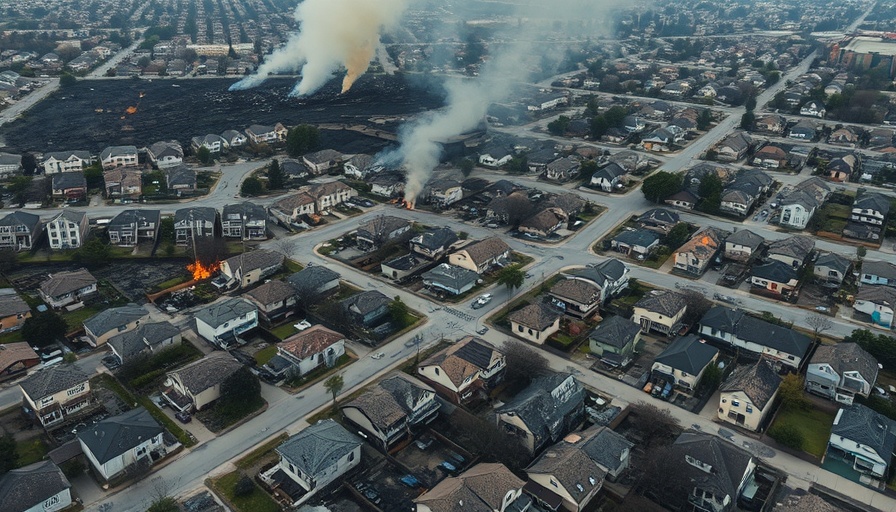
L.A. fires aftermath: aerial view of burnt and intact homes.

Healing a City: The Aftermath of L.A.'s Wildfires

When wildfires raged through Los Angeles in January, they did more than merely scorch landscapes; they disrupted lives, uprooted families, and erased cherished memories. Neighborhoods like Pacific Palisades, Altadena, Eaton Canyon, and Malibu bore the brunt of the devastation. With at least 30 lives lost, most in Eaton and Palisades, and over 180,000 residents forced to evacuate, the impact was truly heartbreaking. The destruction of schools, businesses, and nearly 17,000 homes has left emotional scars far more profound than any financial implications. The estimated $8 billion damage imparts a stark reminder of the chaos left in the wake of natural disaster.

The Housing Crisis Deepens: A Look at Market Pressures

Even in normal times, Los Angeles was facing a housing crisis, with rental rates climbing above $2,200 per month and median home prices nearing $950,000. For many families, the dream of homeownership feels like a distant fantasy, especially now as the fires have intensified demand for housing. Thousands are now left scrambling for shelter in a market already at its breaking point. Following the disaster, average rents surged to over $2,500 per month, with some areas witnessing hikes of 10% or more. This unprecedented demand combined with a collapse in available housing stock presents a grim outlook for low- and middle-income families. With temporary accommodations filled to capacity and shelters overflowing, the road ahead is fraught with challenges.

A Renewed Hope: The Community's Push for Recovery

Yet, amidst the despair, there lies an ember of hope as grassroots movements gain traction. Local leaders, organizations, and concerned citizens are banding together to not just rebuild, but to reimagine Los Angeles post-fire. This isn't merely a quest for physical reconstruction; it represents a profound opportunity to rethink how cities meet the needs of their residents.

Rebuilding Smarter: Applying Lessons from the Past

As conversations begin about future urban planning, there’s an increasing emphasis on sustainable and resilient building practices. Experts suggest that incorporating fire-resistant materials and architectural designs can shield homes and businesses from future disasters. This proactive approach could help the city avoid being continually caught in the cycle of catastrophe and can lead to a safer environment that is prepared for extreme weather.

Overcoming Roadblocks: Challenges Ahead

While enthusiasm for recovery burgeons, significant roadblocks remain. Regulatory hurdles, funding shortages, and community resistance can slow down rebuilding efforts. The complexity of navigating insurance claims and government aid also looms large over many families still waiting to find their footing.

How to Help: Community Resources and Support

As the community rallies together, it is crucial to consider how individuals can lend a hand. Nonprofits and local organizations are actively seeking donations and volunteers to assist those affected by the fires. Whether contributing financially or providing essential supplies, every small act of kindness helps strengthen the fabric of a community in need.

Recovering from the Los Angeles wildfires is not just about rebuilding structures; it's about restoring a sense of belonging and revitalizing hope in a city so rich in culture and spirit. As residents forge ahead with grit and determination, the collective strength of the community can serve as a guiding light toward a brighter future.

Buyer Guides

2 Views

0 Comments

Write A Comment

*
*
Related Posts All Posts

Unlocking the Mystery: What Does 'Move-In Ready' Mean for Buyers?

Update Understanding the Term 'Move-In Ready' in Today's Real Estate MarketWhen browsing through countless home listings or at property showings, you might often come across the term "move-in ready." It's essential for aspiring homebuyers to understand precisely what this phrase entails. At its core, a move-in ready home is not only visually appealing but also functional and safe, allowing you to settle in without needing immediate major repairs or renovations.What to Expect in a Move-In Ready HomeA move-in ready home typically features operational systems such as plumbing, electrical wiring, and HVAC that are functional from day one. It should also include clean bathrooms, working kitchen appliances, and secure windows and doors. Many buyers mistakenly believe that "move-in ready" translates to new and modern finishes; however, it can also include older fixtures or dated decor, as long as everything operates correctly and is safe.The Importance of Confident Decision-MakingUnderstanding the true meaning of "move-in ready" is crucial for every buyer, especially for first-time homeowners or those relocating for work. Properties that are marketed as move-in ready help simplify transitions by eliminating the stress of immediate repairs or renovations. They usually offer identical practical benefits like predictability in budgeting for post-closing costs, ultimately reducing unexpected expenses associated with homeownership.How to Ensure a Home is Truly Move-In ReadyGiven that the term can be ambiguous, it’s prudent to verify a home's condition through direct inquiries and professional inspections. Some crucial questions to ask while touring a home include: What recent updates have been made? What is the age of the roof and HVAC system? Are all the major appliances included and functioning? Home inspections are vital, even for properties labeled as move-in ready, since even newly remodeled homes can harbor hidden issues.Considerations When Buying Move-In Ready vs. Fixer-UpperEvery homebuyer must weigh the pros and cons of move-in ready homes versus fixer-uppers. For buyers short on time, a move-in ready home allows for immediate occupancy, with minimal hassle. Conversely, fixer-uppers may offer significant cost savings and the opportunity for personal design touch but come with the challenges of living amid renovations. Thus, deciding on what's best heavily depends on individual preferences, budget considerations, and timelines.Common Misconceptions About 'Move-In Ready'Many buyers believe a move-in ready home must be newly constructed or impeccably modernized. Still, this is a misconception. A genuinely move-in ready home can exhibit older styles, provided it is safe, clean, and ready for occupancy. Understanding this distinction can help set realistic expectations and help buyers navigate the complexities of the real estate market.Time to Make Informed DecisionsAs you embark on your home-buying journey, knowing the ins and outs of what constitutes a "move-in ready" home can streamline your process. If you’re in the market, take the time to evaluate listings and ask the right questions before making a decision. Are you ready to find your move-in ready home? Delve into the listings and start your journey to homeownership now!

Navigating Recovery From Washington State Floods: Essential Resources and Insights

Update Understanding the Immediate Impacts of Washington State Floods The recent floods in Washington have proved devastating, especially in key areas such as Skagit, Whatcom, Snohomish, and King counties. The rising rivers, coupled with relentless downpours, have disrupted communities, prompting evacuations and leading to extensive property damage. This situation is not simply a momentary crisis; it can lead to longer-term challenges for families and neighborhoods as they navigate recovery and rebuilding. Safety Tips for Residents Affected by Flooding Even as the storms pass, floodwaters remain perilous. Residents must stay vigilant and heed guidance from local authorities. The National Weather Service (NWS) offers crucial real-time updates, helping residents interpret flood alerts and recognize ongoing risks. Understanding how to gauge flood safety—from recognizing hazardous conditions to knowing when it's safe to return home—can save lives. Resources for Immediate Assistance Individuals who are displaced or need urgent help can reach out to organizations like the American Red Cross. They are actively providing emergency shelters, meals, and essential supplies to those affected by the floods. Residents can access various local community resources tailored to their specific counties, ranging from food pantries to disaster assistance programs. For instance, Community Action of Skagit County is mobilizing support by offering flood protection resources and utility assistance, while Whatcom County's emergency management offers evacuation guidance and updates. State and Federal Support Systems The road to recovery often requires a multi-faceted approach, combining local efforts with state and federal assistance. Once a disaster declaration is made, residents may qualify for federal funds through programs such as FEMA, which can cover temporary housing and aid in home repairs. Understanding these channels can provide a safety net for families looking to rebuild. The Long-Term Recovery Outlook As Washington assesses the full impact of the floods, the community's resilience will take center stage. Recovery is more than replacing structures; it’s about restoring lives and renewing spirits. Community support initiatives will become vital in these rebuilding phases, with collaborative efforts across organizations fostering hope and strength. A Call for Community Support and Awareness During these challenging times, solidarity among residents is essential. By paying attention to needs within your neighborhood and participating in community efforts aimed at recovery, you can make a significant difference. Communities thrive when we come together, and this spirit will pave the way for healing after disasters.

Unlocking What Sells a Home: Strategies for a Quick Sale

Update Understanding What Sells a Home: Key Factors to Consider As you prepare to sell your home, the essential question you must address is: "What truly makes my listing stand out among others?" The answer hinges on five pivotal factors: price, condition, location, marketing, and the emotional connection a buyer feels. To ensure a successful sale, you must master the art of combining these elements to create a compelling offer that resonates with potential buyers. Price: The Cornerstone of Your Selling Strategy Choosing the correct price for your home is perhaps the most critical step in the selling process. Overpricing is a common pitfall that can scare off interested buyers and prolong your home's time on the market. Data-driven pricing is imperative; consult with your real estate agent to review the recent sales of comparable properties, ensuring your listing reflects current market trends. An accurately priced home not only attracts more traffic but can also instigate a bidding war, ultimately leading to a better sale price. Creating the Buyer Experience: Importance of Presentation First impressions are lasting, especially in real estate. Potential buyers typically decide within minutes whether they want to make an offer. Consequently, staging your home effectively is crucial. This means decluttering, depersonalizing, and enhancing curb appeal. A clean and neutral environment allows buyers to envision their own lives in your space. Furthermore, attendees often scrutinize pivotal areas like the kitchen and bathrooms; therefore, make these spaces shine with minor updates like fresh paint or new fixtures. Location: Market What You Can't Change While you can't alter the location of your home, how you market it matters significantly. Clearly articulate the unique benefits of your neighborhood in your listing. Highlight proximity to reputable schools, parks, and important commuter access points. Additionally, using vivid, descriptive language in your listing can appeal to buyers' imaginations. Invest in high-quality photography to showcase your home positively—remember, a picture is worth a thousand words, especially in the competitive housing market. Condition Matters: Ensuring Buyer Confidence Buyers are looking for assurance that they’re making a sound investment. Address any minor repairs before listing your home. Issues like leaky faucets or squeaky doors can dissuade buyers and create doubt regarding the property's overall condition. A proactive approach to maintenance will demonstrate that the house has been well-cared-for and can lead to a smoother negotiation process. Understanding Emotional Connections in Real Estate Finally, understand that beyond the tangible aspects, the emotional connection buyers feel towards your home can heavily influence their decision. The goal is to evoke the desire to imagine their future in that space. Engaging storytelling through your listing, showcasing family-friendly features, or detailing warm memories can create a deeper connection. This emotional appeal can be the tipping point that brings a buyer to the table willing to make an offer.

Terms of Service

Privacy Policy

Core Modal Title

Sorry, no results found

You Might Find These Articles Interesting

T
Please Check Your Email
We Will Be Following Up Shortly
*
*
*